Source Refrigeration Brass Union for HVAC, Cooling, and Plumbing
Explore 30 verified listings for refrigeration brass union fittings suitable for HVAC systems, cooling units, and plumbing connections. Buyers can compare specifications, materials, and certifications to find the right components for their projects; compare the available evidence and request quotations based on your requirements.
Key considerations
Products List


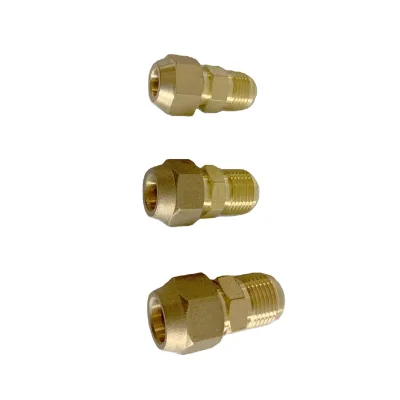
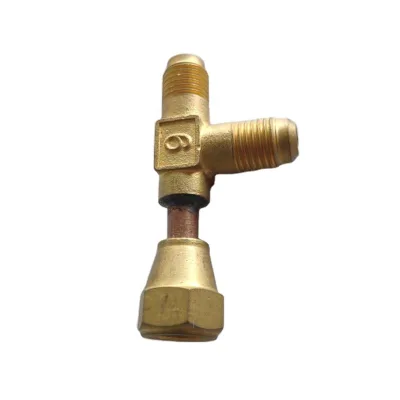


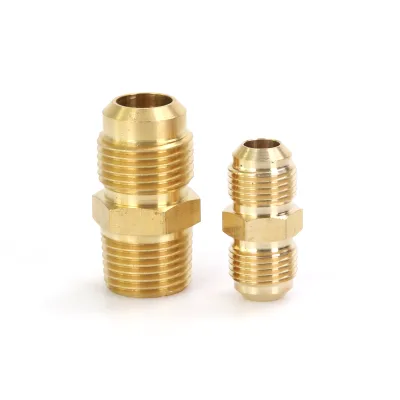
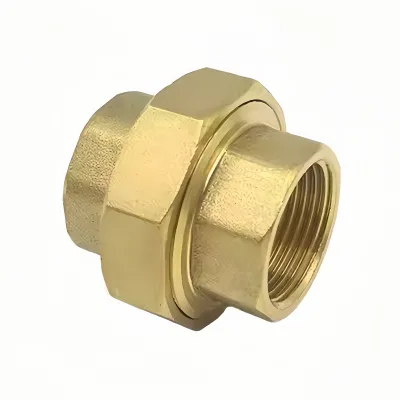

Comprehensive Sourcing Guide
Refrigeration Brass Union Sourcing Guide
Buyers must first distinguish between the specific product variants available in the current market, as the supply chain offers distinct items like the Brass Flare Union for Refrigeration and the Brass Refrigerant Drum Adapter. While both serve critical roles in cooling systems, their structural designs differ significantly, with one featuring a universal structure and the other utilizing a tubular configuration. Understanding these physical distinctions is the first step in ensuring the purchased component matches the specific piping geometry of your refrigeration project.
Procurement teams should also note that the observed product listings include various connection forms, ranging from clamp connections to threaded unions and welding interfaces. This variety implies that a single supplier may not stock every configuration required for a complex installation. Buyers need to verify that the specific model, such as the FU or RDA series, aligns with their system's pressure requirements and media type, which is typically gas in these refrigeration contexts, before committing to a bulk order.
Product Scope and Observed Listing Signals
The market data indicates a clear segmentation in product models, with specific identifiers like FU, RDA, and CV-18B representing different functional units within the refrigeration fitting category. These models often correspond to unique structural attributes, such as the round head style found in some fittings versus the equal shape of others. Buyers should treat these model numbers as primary filters to ensure they are sourcing the exact component type, whether it is a simple union or a more complex adapter designed for specific drum connections.
Material composition is another critical signal, with the majority of listed items explicitly identified as copper or brass, which are essential for conductivity and corrosion resistance in cooling applications. The observed listings also highlight that these products are generally rigid rather than flexible, a characteristic that dictates installation methods and stress tolerance. Procurement specialists must confirm that the material grade matches the operational environment, as the distinction between copper fittings and brass adapters can impact long-term durability and leak prevention.
Technical Specifications to Verify
Technical verification begins with the connection form, as the supply chain offers options including common bolts, male threads, and welding interfaces. Buyers must cross-reference these connection types against their existing piping infrastructure to avoid compatibility issues during installation. The presence of unidirectional flow direction in certain models further necessitates careful orientation checks, ensuring that the fluid or gas moves through the fitting in the intended direction to maintain system efficiency and safety.
Temperature ratings and sealing forms are equally vital parameters that require strict validation before finalizing a purchase. While some listings specify ordinary temperature ratings, others may feature bellows globe valve sealing forms that offer different performance characteristics under varying thermal loads. Additionally, the technique used to manufacture the part, whether forged or casting, influences the structural integrity and pressure handling capabilities. Buyers should request detailed technical sheets to confirm that the selected model meets the specific thermal and mechanical demands of their refrigeration system.
Compliance and Safety Documentation
Safety compliance is a non-negotiable aspect of sourcing refrigeration components, with CE and UL standards frequently cited in the available product data. These certifications indicate that the fittings have undergone rigorous testing to meet international safety benchmarks, which is crucial for preventing failures in high-pressure gas systems. Procurement teams must verify that the specific batch or model they intend to purchase carries these valid certifications, as the absence of such documentation could lead to regulatory violations and increased liability risks.
Beyond general safety standards, specific certifications like RoHS and ISO9001 provide assurance regarding environmental compliance and quality management systems. The RoHS certification ensures that the brass or copper materials are free from restricted hazardous substances, which is increasingly important for global supply chains. Meanwhile, ISO9001 indicates that the manufacturer adheres to consistent quality control processes. Buyers should request current certificates of conformity to ensure that the products they receive align with these documented standards and do not pose environmental or safety hazards.
Cost Drivers and Commercial Terms
The commercial landscape for these fittings is influenced by the observed minimum order quantities, which range from 50 to 2000 pieces, with some specific models requiring a minimum of 1000 pieces. This variability means that buyers with smaller project needs may face higher per-unit costs or need to consolidate orders with other components to meet the supplier's thresholds. Understanding these MOQ constraints is essential for budget planning, as failing to meet the minimum volume can result in order rejection or the need to source from a different supplier with more flexible terms.
Pricing dynamics are also affected by the packaging requirements and the specific customization options available. While some listings mention standard export packing, others specify box or carton packaging, which can impact shipping costs and handling efficiency. Customization is available for certain products, allowing buyers to tailor specifications to their unique needs, but this often introduces additional lead times and cost variables. Procurement managers should negotiate clearly on whether customization fees are included in the base price and how packaging choices affect the final landed cost.
Supplier Qualification and Quality Control
Geographic origin plays a significant role in supplier qualification, with the majority of products originating from China, specifically from regions like Zhuji City in Zhejiang. This concentration suggests a robust local supply chain but also requires buyers to perform due diligence on the specific factory's capabilities and reputation. Verifying the supplier's location and their ability to provide consistent quality from these manufacturing hubs is a key step in mitigating supply chain risks and ensuring timely delivery.
Quality control processes should be validated through the manufacturer's stated techniques, such as forging or casting, and their adherence to standard export packing protocols. The observed listings mention "Good" quality as a general attribute, but buyers must demand evidence of this through third-party inspection reports or factory audits. Ensuring that the supplier has a robust quality assurance system in place is critical, as the integrity of the brass or copper fittings directly impacts the safety and reliability of the entire refrigeration system.
Long-Term Procurement Checks
Sustainability and supply chain resilience require buyers to monitor the consistency of product specifications over time, particularly regarding material composition and structural integrity. Since the market offers both copper and brass variants, maintaining a consistent supply of the correct material is vital for system compatibility and performance. Buyers should establish long-term contracts that explicitly define the required material grades and structural attributes to prevent inadvertent substitutions that could compromise the refrigeration system's efficiency.
Regular audits of supplier performance and certification validity are essential for maintaining a reliable procurement pipeline. As standards like CE, UL, RoHS, and ISO9001 are critical for ongoing compliance, buyers must ensure that these certifications remain current and applicable to future production batches. Additionally, monitoring lead times and the ability to meet fluctuating order volumes will help prevent disruptions. Establishing a clear communication channel for quality feedback and technical support ensures that any issues can be addressed promptly, safeguarding the long-term success of the procurement strategy.
FAQs
What materials are used for refrigeration brass unions?
Refrigeration brass unions are primarily manufactured from copper and brass to ensure durability and corrosion resistance. These materials are selected for their ability to withstand high pressures and maintain integrity in refrigerant systems. The universal structure allows for versatile connections, while the rigid design ensures stable performance in commercial applications without deformation under stress.
Can these unions be customized for specific projects?
Yes, customization is available for refrigeration brass unions to meet specific project requirements. Buyers can request tailored specifications to fit unique system needs. This flexibility allows for precise integration into various refrigeration setups. The standard structure supports these modifications, ensuring that the final product aligns with the intended application while maintaining high quality and reliable sealing performance.
What certifications do these brass fittings hold?
These brass fittings hold RoHS and ISO9001 certifications, ensuring compliance with international quality and environmental standards. The CE and UL standards are also referenced for safety and performance assurance. These certifications verify that the products meet rigorous manufacturing criteria, providing buyers with confidence in the reliability and safety of the components used in critical refrigeration and copper pipe connections.
Where are these refrigeration unions manufactured?
These refrigeration unions are manufactured in China, specifically in Zhuji City, Zhejiang Province. This region is known for its robust manufacturing capabilities and supply chain efficiency. The origin ensures consistent quality control and access to raw materials like copper and brass. Buyers benefit from established production hubs that support large-scale output while maintaining adherence to standard export packing and quality expectations.
What is the minimum order quantity for these unions?
The minimum order quantity for these unions is typically 1000 pieces, though observed ranges vary from 50 to 2000 units depending on the supplier. This MOQ ensures efficient production runs and cost-effective pricing for bulk purchases. Buyers should verify specific MOQ requirements with manufacturers, as different models like FU or RDA may have distinct ordering thresholds based on stock and production schedules.
How are these unions packaged for shipping?
These unions are packaged in boxes, standard export packing, or export standard bags and cartons to ensure safe transit. The packaging is designed to protect the fittings from damage during handling and long-distance shipping. This method preserves the quality of the brass and copper materials, preventing scratches or corrosion. Buyers receive products in secure containers that facilitate easy storage and inventory management upon arrival.